
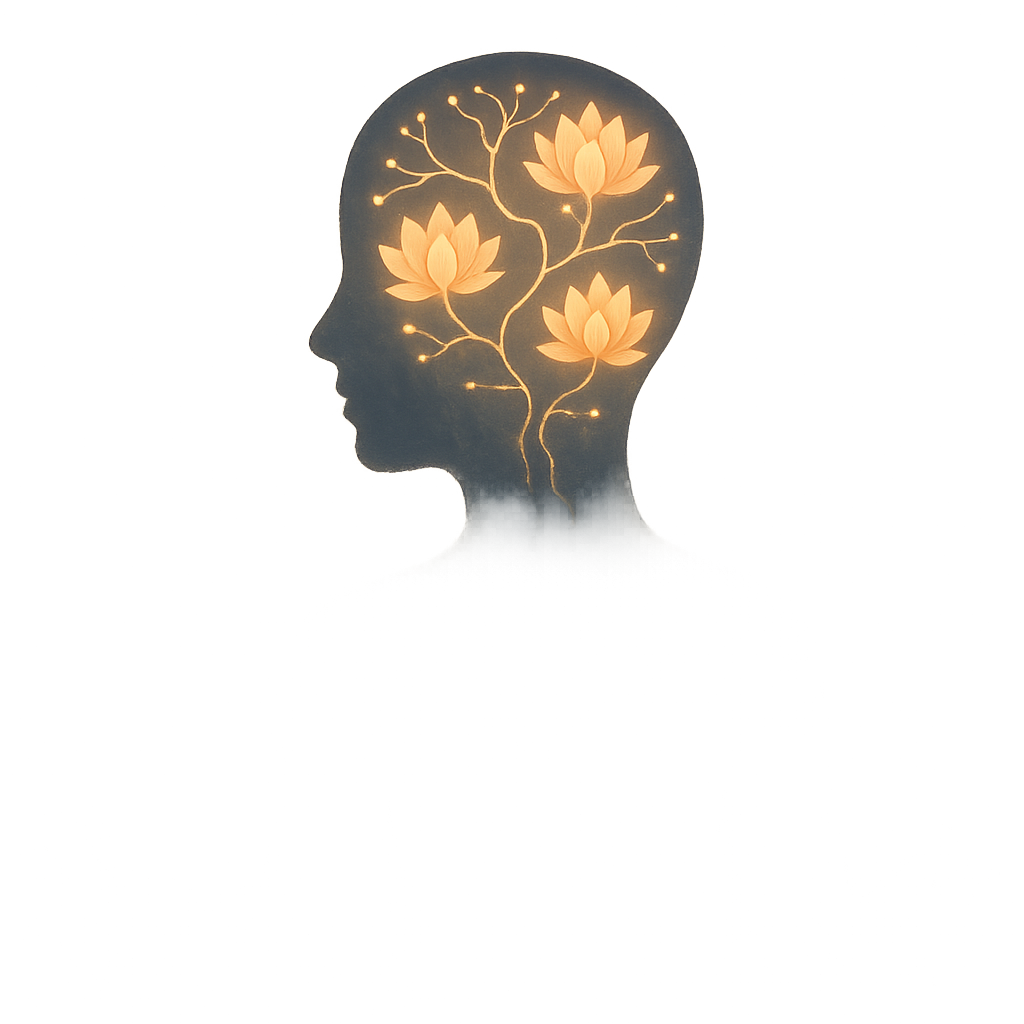
Mastering True Detachment: Love Without Losing Yourself
Introduction to True Detachment
Mastering true detachment is not about becoming emotionally distant—it’s about creating inner freedom. You’ve likely heard phrases like “detach” or “don’t be so attached to outcomes” from spiritual teachers or self-help books. But for many, the idea of detachment is confusing. Does it mean you stop caring? Become indifferent? In Think Like a Monk, Jay Shetty offers clarity: “Detachment is not that you should own nothing. But that nothing should own you.” In this guide, we’ll explore the true meaning of detachment, debunk common myths, reveal monk-inspired practices, and show how detachment helps you love deeper, live freer, and grow stronger—without letting the outcome control your inner peace.
Table of Contents
- The Misconception: Detachment Equals Coldness
- The Monk’s View: What Detachment Really Means
- Powerful Mindsets That Reflect Detachment
- How to Practice Detachment (Without Going Cold)
- Living and Loving with Wise Detachment
- Frequently Asked Questions (FAQs)
- Conclusion
The Misconception: Detachment Equals Coldness
In a world where love is often confused with control or dependence, the concept of detachment can feel threatening. People fear detachment means shutting down emotionally. “If I detach from this goal, will I stop caring?” “If I detach from this person, will I lose love?” These fears are rooted in a misunderstanding. Detachment isn’t coldness—it’s clarity. You still love. You still care. You still give your all. But your peace no longer hinges on the result. As Jay Shetty puts it: You own your actions—but no longer let the outcome own you. Detachment frees you from emotional bondage, allowing love to breathe without fear of loss or control.
The Monk’s View: What Detachment Really Means
Monks see detachment as liberation. In monk life, detachment doesn’t mean not feeling—it means not being ruled by feelings. It means:
- You do your best—then release what you can’t control.
- You love deeply—without clinging or controlling.
- You pursue goals—without being crushed by failure.
- You feel emotions—but they don’t dominate your identity.
This isn’t about becoming indifferent. It’s about anchoring your heart in values instead of outcomes. It’s not shutting down—it’s opening wisely. It’s not ignoring pain—it’s not being imprisoned by it. That’s the monk’s secret: Detachment strengthens love. Because it removes fear.
Powerful Mindsets That Reflect Detachment
True detachment sounds like:
- “I care deeply, but I don’t need this to define me.”
- “I trust the process, even if I can’t see the outcome yet.”
- “I love you, and I also honor your freedom.”
- “This matters to me, but it doesn’t control me.”
These mindsets cultivate resilience. They let you stay committed without becoming consumed. You remain present—but not possessed. You stay passionate—but not panicked. By adopting these thoughts, you begin to experience peace that doesn’t rise and fall with external validation.
How to Practice Detachment (Without Going Cold)
Here’s how to cultivate monk-like detachment in everyday life:
- Watch Your Expectations
Ask yourself honestly: “Am I giving because I care—or because I want something back?” Awareness transforms intention. - Release Control
Identify what you’re trying to control that isn’t yours. Then let go. Anchor your power in what you can control—your attitude and effort. - Pause Before Reacting
Emotions are natural—but reactions are a choice. When triggered, breathe and ask: “Is this coming from fear or love?” - Practice Loving Without Attachment
You can care deeply without needing to fix or own. You can support without smothering. This is real strength. - Root Identity in Values, Not Validation
When your peace depends on approval, status, or success—it becomes fragile. Instead, root yourself in values like growth, compassion, truth, and presence.
Each step helps you hold life—and love—more gently, more mindfully, and more freely.
Living and Loving with Wise Detachment
Detachment isn’t about detaching from people. It’s about detaching from control. You don’t stop caring—you just stop clinging. You don’t close your heart—you open it with strength. In relationships, this creates a profound shift. You become a space of freedom, not force. A presence of peace, not pressure. This kind of love is magnetic—because it’s not desperate. Detachment gives both people room to grow. And growth—real, lasting growth—is the true goal of connection. 🌱
Frequently Asked Questions (FAQs)
- What is true detachment?
True detachment means caring deeply but not being emotionally dependent on specific outcomes. It’s rooted in freedom, not fear. - Can I be detached and still love fully?
Yes. Detachment allows you to love without clinging or controlling. It strengthens love because it removes the fear of loss. - Is detachment emotional numbness?
No. It’s emotional intelligence. You still feel—but you aren’t controlled by your emotions or others’ behaviors.
Conclusion: Final Thoughts on True Detachment
Detachment doesn’t push people away—it sets them free. It doesn’t make you passive—it makes you powerful. And it doesn’t mean you stop loving—it means you stop clinging. Because when you stop needing to control the outcome, you finally make space to truly connect. That’s the paradox: The less you grip, the more you feel. This is what it truly means to live and love like a monk. Ready to deepen your mindset? Explore more on our Tech Insights Page or discover practical tools for growth on our Products Page.